Sensei Mike's Blog
Super Kids
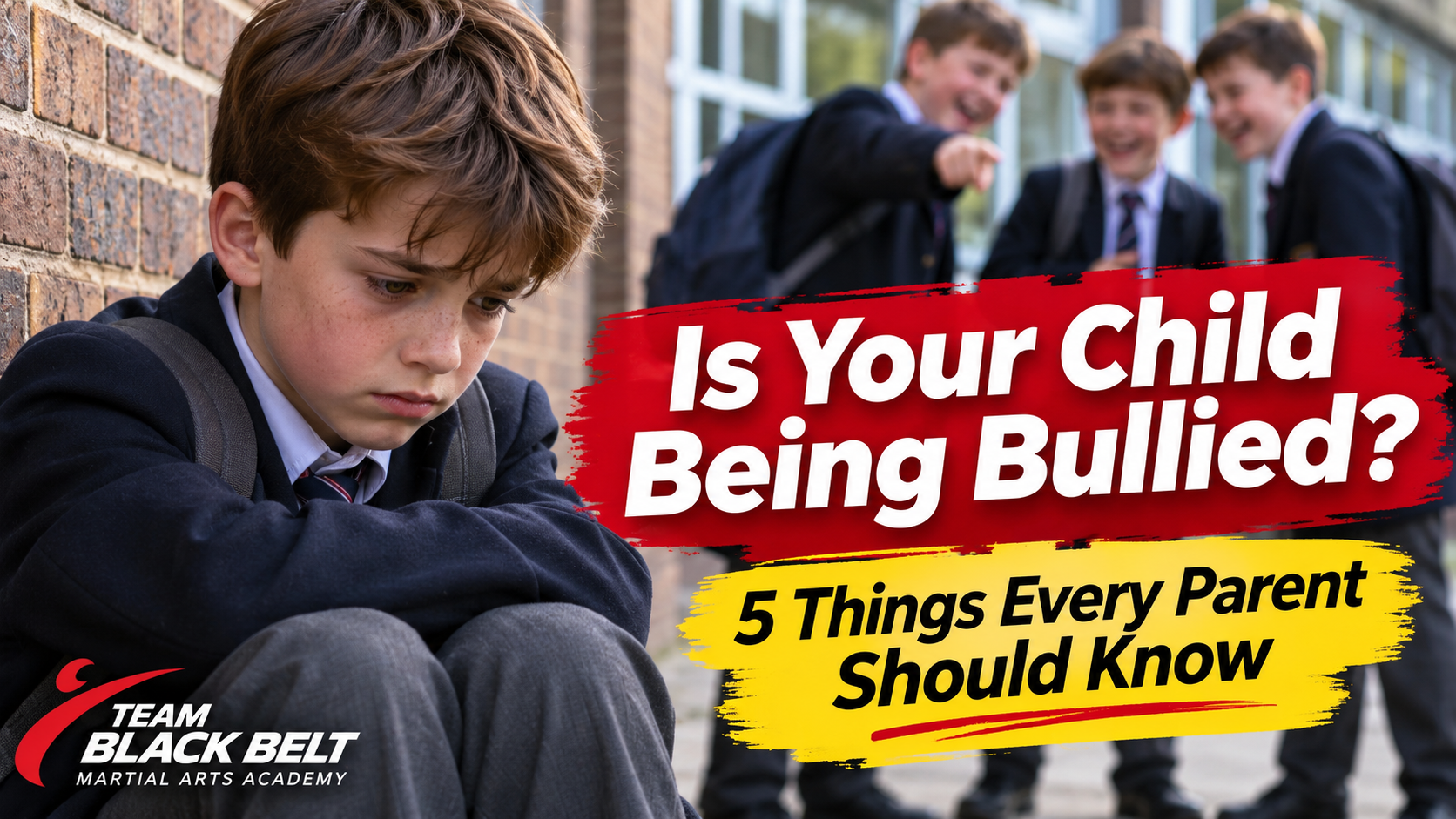
Is Your Child Being Bullied? 5 Things Every Parent Should Know
If your child is being bullied at school, what should you do?
Start by listening, reassuring them and finding out exactly what's happening. If necessary, involve their school, agree on a plan to keep them safe and help your child develop the confidence and skills to deal with difficult situations.
But there's much more to it than simply telling your child to ignore the bully or stand up for themselves.
I'm Sensei Mike Turbitt, founder of Team Black Belt Martial Arts Academy in Solihull. I've been practising martial arts since 1974 and have spent more than 20 years helping children develop confidence, self-discipline and practical life skills.
And I know firsthand how upsetting bullying can be for a family.
Not simply because I've worked with children who have experienced it, but because it happened to my own son.
"Dad, I'm Being Picked On at School."
My son Mitch was 11 when he came home from school one day and told me he was being bullied.
Now, I've been involved in martial arts for most of my life, so you can probably imagine my initial reaction.
"Well, son, if they start on you, just punch them!"
Or words to that effect.
But Mitch had a very sensible answer.
"Dad, I can't. If I hit them back, I'll get suspended from school. It'll go on my school record."
And there was the problem.
Here was a boy who knew how to defend himself physically, but who was frightened of the consequences of doing so.
And this wasn't just a bit of playground name-calling.
Mitch had received some extremely unpleasant threats, including one suggesting that the street gutters would be running with his blood.
He was understandably frightened.
As a parent, I wanted to help him immediately.
But what could I tell him?
Should he allow himself to be hurt because he didn't want to break school rules?
Should he fight back and risk getting suspended?
Or was there another way?
That experience eventually led me to create Stop Bullies Now, a practical anti-bullying programme designed to help children develop confidence, recognise dangerous situations, respond appropriately and understand how to protect themselves.
But before we talk about what children can do, I want to share five important things that parents can do when their child tells them they're being bullied.
1. Praise Your Child for Telling You They're Being Bullied
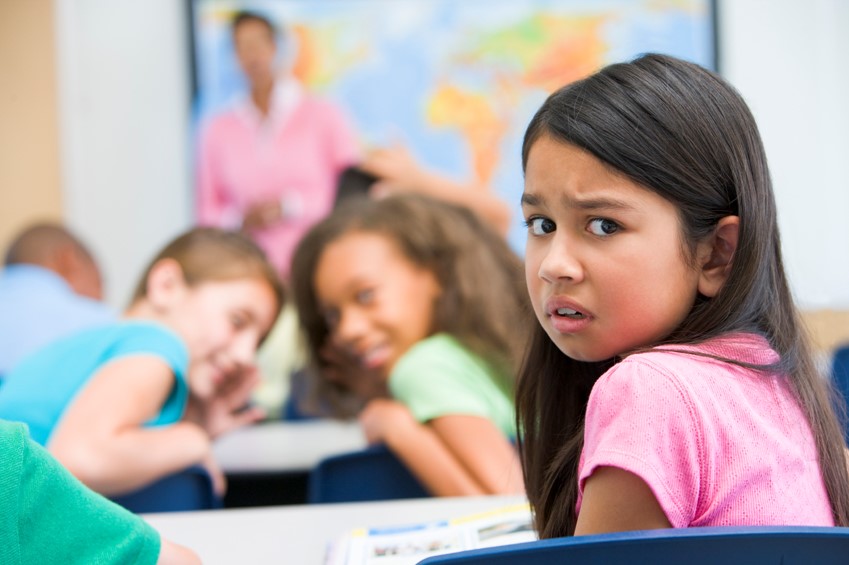
The first thing to do when your child tells you they're being bullied is to thank them for telling you.
That might sound obvious, but it's incredibly important.
Let me explain.
We all know that children react differently to situations.
Some children fall over, burst into tears and need lots of reassurance.
Others fall over, bounce straight back up, grin at you and seem almost disappointed that they haven't managed to injure themselves!
Children react differently to bullying too.
What one child might shrug off as an unpleasant comment could be deeply upsetting to another.
The important thing is that your child has brought something to your attention.
That means it's significant to them.
Whether they're asking for help understanding what happened or asking you to intervene, they've taken an important first step.
They've trusted you enough to tell you.
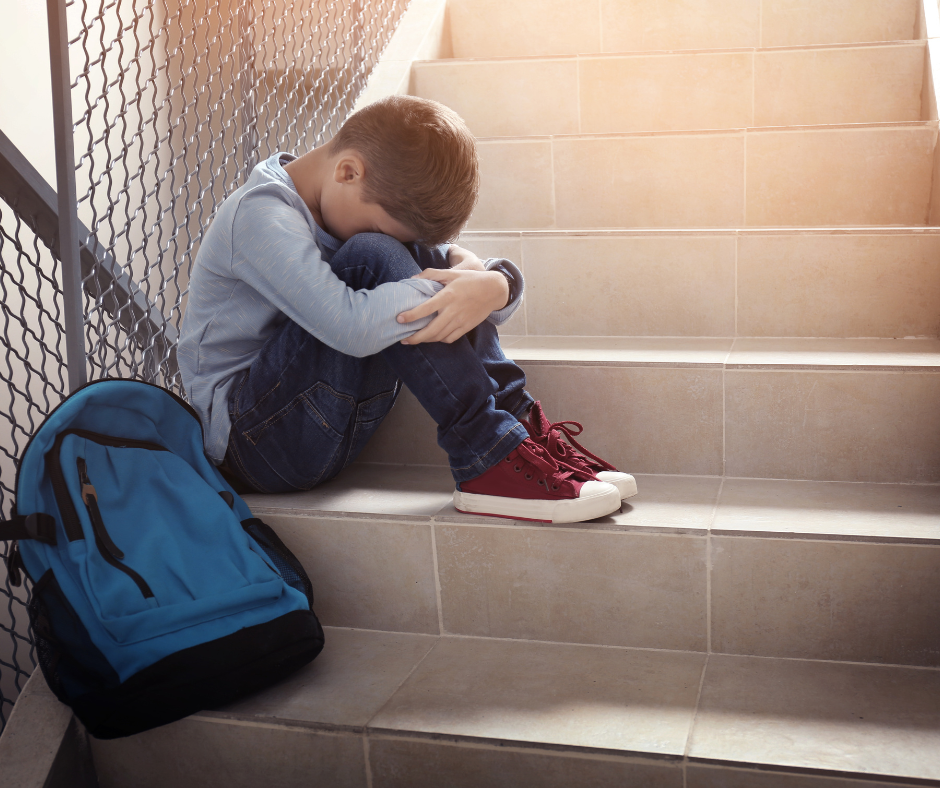
What should you say to a child who is being bullied?
Start with something simple.
"I'm really glad you told me. You've done exactly the right thing."
Then reassure them.
Let them know you're on their side, that you're going to help and that they won't be punished by you for asking for help.
It's also important to explain that you'll listen to their concerns about how the problem is handled.
Some children are frightened that telling their parents will make matters worse.
They may worry that their parents will march into school, confront the bully or create a situation that makes them even more uncomfortable.
You want your child to feel confident that they can tell you about anything that worries them.
Remember: if your child feels safe telling you about a problem today, they're more likely to tell you about another problem tomorrow.
2. Investigate: Find Out Exactly What's Happening
Before deciding what action to take, calmly establish the facts.
When somebody hurts or frightens our child, our natural instinct is to protect them.
We might feel angry, upset or ready to demand immediate answers.
But reacting before understanding the situation can sometimes make things more difficult.
Instead, sit down with your child somewhere quiet and ask them to explain what happened.
Seven questions to ask your child about bullying
Who was involved?
What exactly happened?
Where did it happen?
When did it happen?
How did the situation develop?
Why does your child think it happened?
Was anyone else involved or watching?
There's another question worth exploring sensitively.
What part, if any, did your child play in the situation?
Now, please don't misunderstand me.
I'm certainly not suggesting that a child is responsible for somebody bullying them.
But sometimes disagreements, misunderstandings and accidents can escalate.
We need to understand the whole story.
There is a difference between a disagreement between friends and a child being deliberately targeted, threatened or repeatedly hurt.
Both may need adult intervention, but understanding what happened helps us decide what to do next.
Keep a written record of bullying incidents
I recommend keeping a notebook.
Record dates, times, locations, names and what your child tells you.
If there are threatening messages or online incidents, preserve relevant screenshots.
These records may become extremely useful if you need to involve the school.
And remember, your child doesn't need to provide a perfect account before you take their concerns seriously.
If they report serious threats, physical violence or immediate danger, prioritise their safety and seek appropriate help without delay.
3. Contact the School About Bullying
If you believe your child is being bullied at school, contact the school and ask what action it will take to keep your child safe.
This is where things can become emotional.
I understand that.
When somebody threatens or hurts your child, you naturally want to protect them.
But marching into school shouting at everybody isn't usually the most effective approach.
And confronting another child or their parents can make matters worse.
Your objective is to stop the bullying and make sure your child feels safe.

Who should you contact at school?
For many situations, your child's class teacher or form tutor is a sensible starting point.
Telephone or email the school and request a meeting.
Explain that your child has reported bullying incidents and that you'd like to discuss your concerns.
For more serious situations, you may need to speak directly to the head of year, deputy head, headteacher or designated safeguarding lead.
If possible, send the school a summary of the incidents before the meeting.
This allows staff to investigate.
What should you ask during the meeting?
Don't leave the meeting without understanding what happens next.
Ask the school:
What has been established about the incidents?
What immediate steps will be taken to protect my child?
Who can my child approach if something else happens?
How will the situation be monitored?
When will we review the progress?
Ask for a clear action plan.
You want to know what the school intends to do, not simply hear that somebody will keep an eye on things.
Always follow up in writing
This is one of my most important recommendations.
After the meeting, send an email summarising what was discussed.
Include your concerns, the school's response, the actions agreed and any outstanding questions.
Keep a copy.
If the bullying continues, you'll have a written record of what's already happened.
If you're unhappy with the response, follow the school's formal complaints procedure. In England, further routes depend on the type of school and the nature of the concern.
And if attending a meeting feels intimidating, ask whether you can bring somebody along for support.
Even grown-ups can feel a little nervous about being summoned to the headteacher's office!
4. Give Your Child Feedback and Reassurance
After speaking to the school, tell your child what's been agreed and explain what they should do if another incident occurs.
This step is easily overlooked.
You've spoken to the teacher.
You've had a productive meeting.
You've agreed on a plan.
You may even feel that the problem has been resolved.
But remember something.
Your child is the one who has to walk through those school gates tomorrow morning.
They need reassurance.
Explain the plan to your child
Sit down together and explain what's happening.
Tell them which adults at school know about the situation.
Explain who they can approach if they feel uncomfortable, frightened or threatened.
And let them know what they should do if the bullying continues.
Avoid making promises you can't guarantee.
Rather than saying, "Nobody will ever pick on you again," explain that adults are taking action and that you'll continue helping until the situation improves.
Keep checking how your child feels
Don't assume that everything is fine simply because your child stops mentioning the problem.
Ask how school has been.
Find out whether anything else has happened.
And most importantly, ask how they're feeling.
Bullying can affect a child's confidence and willingness to attend school.
If your child continues to feel frightened or distressed, they may need additional support.
The important message is that they don't have to deal with the problem alone.
5. Empower Your Child: Help Them Develop Confidence and Practical Skills
Children can benefit from learning how to recognise bullying, respond assertively, avoid confrontation and seek help when they need it.
Now we come to the question that started my Stop Bullies Now programme.
What can you actually teach a child to do when somebody tries to bully them?
When Mitch told me that fighting back could get him suspended, I realised something important.
Simply telling children to stand up for themselves isn't enough.
They need to understand how to do it.
They need practical skills.
And they need confidence.

Why confidence matters
Confidence isn't about being the biggest, strongest or toughest child in the playground.
And it certainly isn't about being willing to fight.
Real confidence is knowing that you have options.
It's being able to speak up when something is wrong.
It's recognising when somebody is trying to provoke you.
It's knowing when to walk away.
And it's understanding that asking an adult for help is a sensible decision, not a sign of weakness.
At Team Black Belt, developing confidence is an important part of our approach to teaching children.
We want children to become more capable, more aware and better prepared for difficult situations.
What practical anti-bullying skills can children learn?
When I developed Stop Bullies Now, I wanted to create something that children could understand and practise.
The programme includes several important areas.
Body language
Helping children understand how posture, movement and the way they communicate can affect how they present themselves.
Safe distance
Teaching children to recognise personal space and understand why keeping an appropriate distance from somebody who may become aggressive is important.
Avoidance
Helping children recognise situations that could become difficult and move away before they escalate.
Distraction
Understanding that redirecting attention can sometimes provide an opportunity to leave an uncomfortable situation.
Confidence
Developing self-belief and practising calm, assertive responses.
Protective responses
Understanding how to protect themselves when a situation becomes physically threatening.
Escape
Learning that getting away from danger and finding a safe adult is more important than winning a confrontation.
Reaction drills
Practising appropriate responses in a controlled environment so children become more familiar with what they may need to do.
The aim is not to encourage children to fight.
It's to give them more options for keeping themselves safe.
Why children need to practise these skills
Imagine trying to learn to play the piano simply by watching somebody else play.
You might understand the lesson.
You might even remember which keys you're supposed to press.
But when you sit down at the piano yourself, things become rather more difficult!
You have to practise.
It's the same with personal safety.
Children can benefit from rehearsing what to say, how to ask for help and how to leave an uncomfortable situation.
A parent can help by practising simple conversations and role-playing age-appropriate situations.
The objective isn't to frighten children.
It's to help them become more confident about what they can do.
Why I Created Stop Bullies Now
When Mitch was being bullied, I went looking for help.
I searched the internet.
I found plenty of general information about bullying, but very little that offered the immediate, practical guidance I was looking for.
Some workshops were miles away.
Others were expensive.
And some weren't scheduled to take place for several months.
That wasn't much use to me.
Mitch needed help now.
So I began developing a programme using my martial arts teaching experience.
I wanted something that would help him feel more confident, understand his options and stay as safe as possible while respecting school rules.
That became Stop Bullies Now.
We went on to deliver workshops alongside our martial arts classes at Team Black Belt in Solihull.
The programme was also developed into video lessons so that children and parents who couldn't attend our workshops could benefit from the teaching.
The idea was simple.
Give children practical skills, build their confidence and help them understand how to respond to bullying without unnecessarily escalating the situation.
Frequently Asked Questions About Children and Bullying
What should I do first if my child tells me they're being bullied?
Listen calmly and thank them for telling you. Reassure them that you're taking the problem seriously. Ask what happened, establish whether they're safe and decide together what support is needed.
Should I tell my child to ignore a bully?
Simply telling a child to ignore bullying is rarely enough. They may need help developing assertive responses, recognising when to leave a situation and knowing which adults they can approach. Persistent bullying should be reported and addressed by responsible adults.
Should my child fight back if they're being bullied?
Children shouldn't be encouraged to retaliate or start fights. The priority is avoiding danger, getting to safety and seeking help. If a child is physically attacked, their immediate safety comes first. Age-appropriate personal safety training can help children understand protective responses.
What if the school doesn't stop the bullying?
Keep written records, follow up with the school and ask for a review of the agreed action plan. If the situation remains unresolved, use the school's formal complaints procedure. Serious safeguarding concerns may require additional support or escalation.
Can martial arts help a child who is being bullied?
Martial arts training can provide opportunities to develop confidence, discipline, body awareness and self-control. A well-structured children's programme can also teach practical personal safety skills. However, martial arts should complement, not replace, appropriate action by parents and schools.
How can I help my child become more confident?
Encourage them to try new things, recognise their achievements and practise dealing with manageable challenges. Activities that develop physical skills, social interaction and a sense of accomplishment may help build confidence over time.
Five Things to Remember If Your Child Is Being Bullied
If there's one thing I hope you take away from this article, it's that your child needs both support and practical guidance.
Remember these five steps.
1. Praise: Thank your child for telling you and reassure them that they've done the right thing.
2. Investigate: Find out what's happening, ask questions and keep a record.
3. Contact the school: Work constructively with staff to agree on a plan to keep your child safe.
4. Give feedback: Keep your child informed, reassure them and continue monitoring the situation.
5. Empower: Help your child develop confidence, awareness and practical skills for dealing with difficult situations.
Bullying can be frightening for children and deeply upsetting for parents.
But children don't have to face these situations alone.
And with the right support, guidance and opportunities to practise useful skills, we can help them become more confident and better prepared for the challenges they encounter.
Helping Solihull Children Develop Confidence for Life
At Team Black Belt Martial Arts Academy, we've been helping children in Solihull develop confidence, discipline, focus and practical life skills for more than 20 years.
We believe martial arts is about much more than learning punches and kicks.
It's about helping children become confident, capable young people who understand how to make good decisions and look after themselves.
If you'd like to find out how our children's martial arts classes could help your child, we'd love to welcome you.
Visit TeamBlackBelt.com to learn more about our children's programmes.
Sensei Mike Turbitt
Founder, Team Black Belt Martial Arts, Solihull